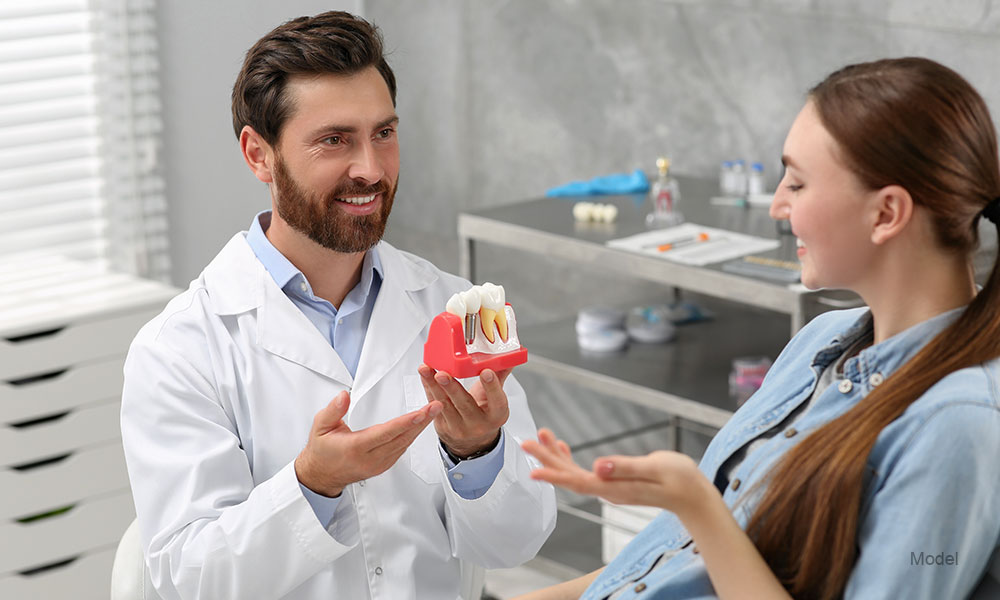
When your dentist tells you a dental implant is the best way to replace a missing tooth and explains the process, your first thought might not be about the benefits of an implant, but rather how much discomfort you can expect. Maybe you’ve already dealt with the pain of a cracked tooth, an extraction, or ongoing discomfort, and dread the idea of another procedure. It’s normal to have concerns about pain before any surgical procedure; however, the good news is that dental implant placement is typically far less painful than you might expect.
Table of Contents
- How Painful Are Dental Implants During and After Surgery?
- Factors Affecting Dental Implant Pain Levels and Recovery
- How Long Will Discomfort Last After a Dental Implant?
- Tips for Managing Discomfort at Home After Your Dental Implant Surgery
- When to Be Concerned About Dental Implant Pain
How Painful Are Dental Implants During and After Surgery?
During Surgery
During dental implant surgery, Dr. Sands will numb the area thoroughly with local anesthesia. You should not feel sharp pain during the procedure; instead, most patients describe sensations of pressure or vibration as the implant is placed into the jawbone.
If you experience dental anxiety, Dr. Sands offers sedation options to help you feel calm and relaxed during your dental implant procedure. Because the treatment is performed in a controlled, sterile environment using precise techniques, discomfort during surgery is minimal. In fact, you may be pleasantly surprised by how quick and manageable the appointment feels.
Post-Surgery
Once the anesthesia wears off after your dental implant placement, you will likely experience some soreness, swelling, and mild bruising around the implant site. This discomfort is usually comparable to what you might feel after a tooth extraction, and can be easily managed with over-the-counter or prescription pain medication.
Tenderness typically peaks within the first 48 to 72 hours after your procedure and gradually improves over the next several days. Mild swelling and gum sensitivity are expected, but if you experience severe or worsening pain, you should contact Dr. Sands immediately.
Factors Affecting Dental Implant Pain Levels and Recovery
Every dental implant experience is unique to the patient. However, there are several common factors that can influence how much discomfort you feel and how quickly you recover.
Your Overall Oral Health
If you have healthy gums and a strong jawbone, healing after a dental implant is often easier. If you have untreated gum disease or other dental concerns, you may experience more inflammation and discomfort during your recovery. Addressing these issues before your dental implant procedure will help improve both your comfort and the long-term success of the implant.
Bone Grafts
If you require a bone graft before or during your implant placement, you may experience slightly more swelling or tenderness. Bone grafting adds an additional healing component, which can add to your recovery time. However, even with bone grafting, any discomfort is usually manageable.
Nerve Damage
Nerve damage from a dental implant placement is rare but can occur if an implant is placed too close to a nerve. Symptoms of nerve damage after an implant may include numbness, tingling, or persistent pain. Choosing an experienced dentist (like Dr. Sands) who uses advanced imaging technology will significantly reduce this risk.
Individual Pain Tolerance
Everyone perceives pain differently. What feels mild to one person may feel more intense to another. Your personal pain tolerance can also affect how you experience discomfort during dental implant recovery.
Improper Placement of the Implant
If your dental implant is placed at an incorrect angle or depth, it can create excessive pressure on the surrounding structures, leading to ongoing pain. Proper planning, including digital imaging and guided placement, helps prevent this complication.
Surgical Trauma
Minimally invasive dental implant techniques generally result in less tissue disruption and faster healing. Dr. Sands’ skill, precision, and experience in placing dental implants will significantly influence the amount of post-operative discomfort you experience.
How Long Will Discomfort Last After a Dental Implant?
For most patients, noticeable soreness lasts about three to five days, and swelling typically subsides within a week. Mild tenderness when chewing or brushing near the implant site can persist for up to two weeks, depending on the complexity of your procedure.
If stitches are placed, they may dissolve on their own or be removed within 7–10 days. As the implant integrates with your jawbone—a process called osseointegration—you should not feel pain. This healing phase happens beneath the surface and can take several months, but it doesn’t cause any discomfort.
Persistent or worsening pain beyond one to two weeks is not typical and should be evaluated by your dentist.
Tips for Managing Discomfort at Home After Your Dental Implant Surgery
Taking proper care of yourself after your dental implant surgery can make a significant difference in how you feel. Following Dr. Sands’ aftercare instructions is essential, and you can also employ some of the following techniques:
- Use prescribed or recommended pain relievers as directed.
- Apply an ice pack to the outside of your cheek in 15-minute intervals during the first 24 hours after your procedure to reduce swelling.
- Stick to soft foods such as yogurt, smoothies, mashed potatoes, and soup for the first few days.
- Avoid smoking, which can delay healing and increase discomfort.
- Keep the surgical area clean by gently rinsing with a saltwater solution as instructed.
- Rest and avoid strenuous activity for the first couple of days after your implant surgery.
When to Be Concerned About Dental Implant Pain
While some soreness after your dental implant procedure is normal, certain symptoms should prompt you to call Dr. Sands. These include:
- Severe pain that worsens instead of improves
- Persistent swelling beyond one week
- Fever or signs of infection
- Pus or unusual discharge around the implant site
- Prolonged numbness or tingling
The above symptoms may indicate infection, implant instability, or nerve concerns. Early evaluation allows for prompt treatment and can help ensure that your implant procedure and results are successful.
Learn More About Dental Implants in Beverly Hills
Dental implants are designed to be a long-term functional and aesthetic solution for missing teeth, and while minor discomfort is part of the process, the benefits outweigh the disadvantages. If you need a dental implant, it’s time to schedule a consultation with renowned celebrity dentist Dr. Kevin Sands. To learn more about the process and make an appointment, contact us today at (310) 273-0111 or complete the online contact form.